


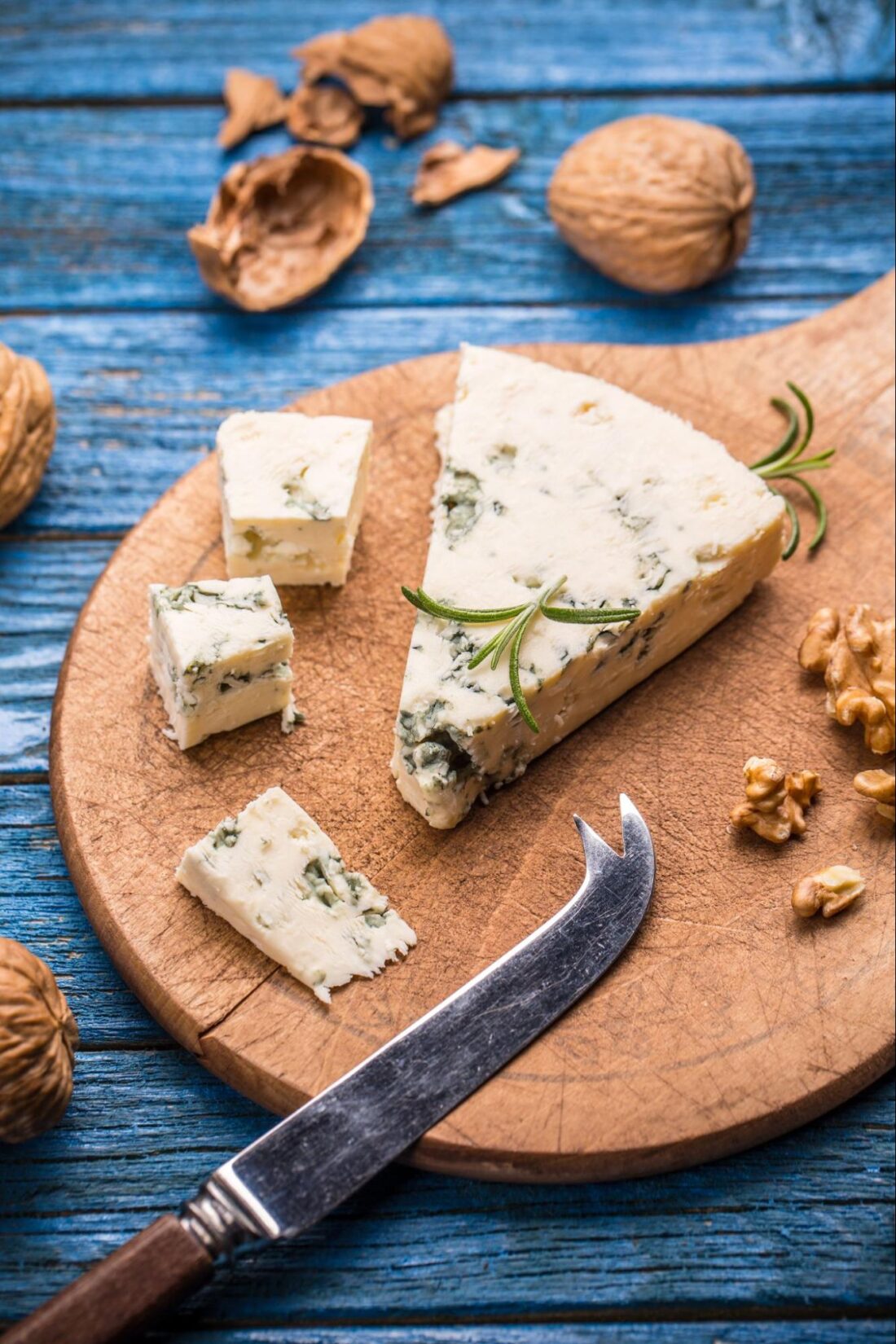
The Art of Cheese and Wine Pairing
Pairing cheese and wine is a refined art that elevates the potential enjoyment of both. Whether you’re planning a dinner party with friends or spending a relaxing evening at home, matching first-rate cheese with a complimentary bottle of wine is a wonderfully rich and indulgent taste experience.
This guide will outline the essential considerations when pairing cheese with wine, providing tips and some classic examples.
While you are with us, consider taking your knowledge of this subject to another level with one of our Cheese and wine Tasting Tours in Toulouse.
Getting to Know Your Cheese Types
Cheese can be categorized into several types based on texture, flavor, and aging process. Let’s take a look at some of the most notable types.
Bloomy Rind: These cheeses have a soft, spreadable texture with a white mold rind. Examples include Brie and Camembert, as well as lesser-known French favorites like Coulommiers and Chaource. Due to their creamy richness and palate-cleansing bubbles, they pair well with sparkling wines like Champagne.
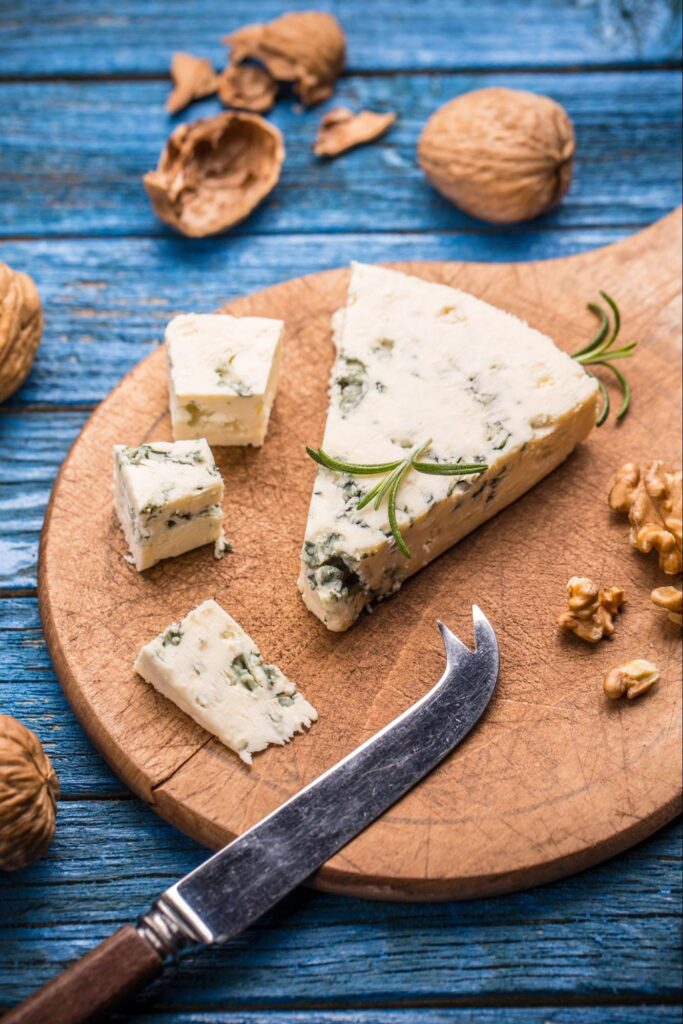
Blue: Characterized by veins of blue mold, these cheeses range from creamy to crumbly, with sharp, tangy flavors. French examples such as Roquefort and Bleu d’Auvergne are ideal with sweet wines like Sauternes, which counterbalance their strong flavors. If you like sweet-salty combos, this one’s for you!
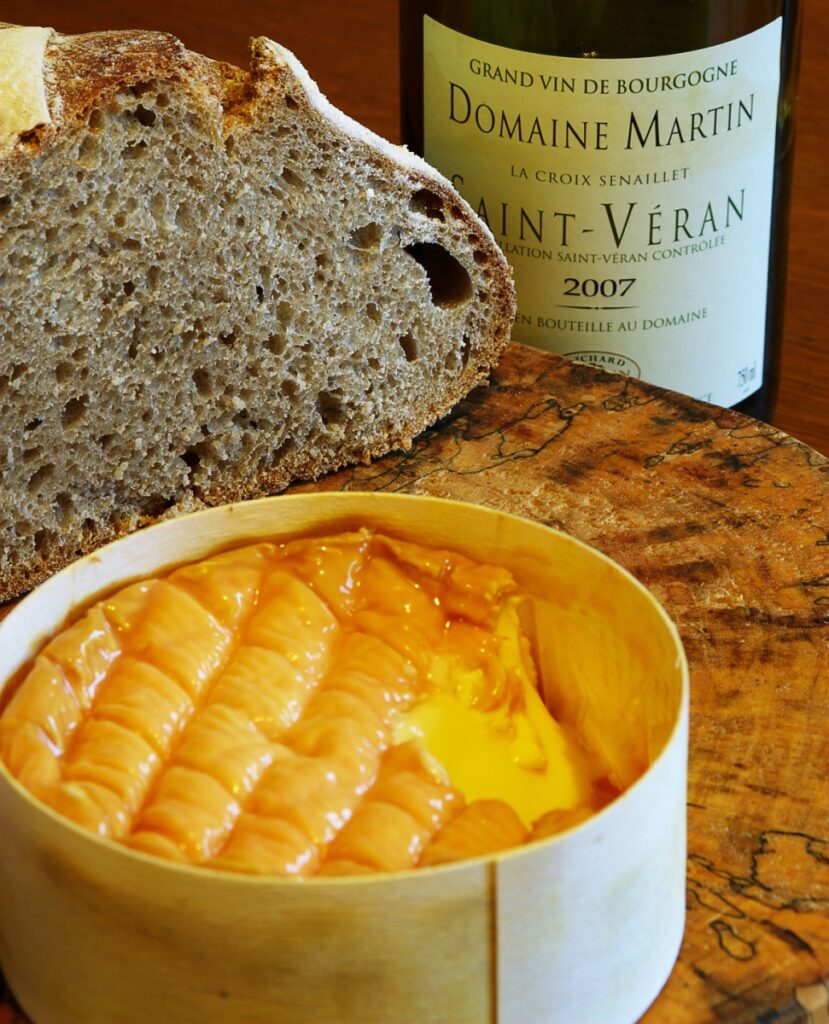
Washed Rind: These cheeses are washed in brine, beer, wine, or other liquids, developing a strong flavor and an orange rind. Classics like Époisses and Reblochon pair beautifully with sweet wines like Gewürztraminer, which balance their pungency.
Semi-Soft: Cheeses like Port Salut and Saint-Nectaire offer a creamy yet sliceable texture. They match well with medium-bodied wines such as Merlot, which complements their mild flavors.
Hard and Pressed-Cooked Cheeses: These aged cheeses, including Comté and Beaufort, have a firm texture and a robust, nutty flavor. For the Comté, choose a dry white wine like an Arbois, the classic terroir-based partner for the cheese. Meanwhile, pair the Beaufort with a Chablis; the acidity will cut through the nuttiness of the cheese perfectly (tart ciders can also work very well with this cheese).
Goat Cheese (Chèvre): These cheeses are typically fresh with a bright, tangy flavor and a soft, crumbly texture. Examples include Crottin de Chavignol and Valençay. Chèvre pairs beautifully with crisp white wines, such as Sauvignon Blanc, especially from the Loire Valley, which complement the cheese’s tang.
Fresh Cheese: These young, unripened cheeses, such as Fromage Blanc and Petit-Suisse, have a soft, spreadable texture and a mild, milky flavor. Due to their delicate taste, they pair best with light, fruity wines like Beaujolais Nouveau or a dry rosé, as these won’t overpower the subtle flavors of the cheese.
Uncooked-Pressed: These cheeses are made by pressing the curds without heating them first, resulting in a springy texture and a more robust flavor. Examples include Cantal, Morbier, and Ossau-Iraty. These cheeses pair wonderfully with medium-bodied red wines like Cabernet Franc or Pinot Noir. These wines complement their earthy, savory notes without overpowering them.
To learn about French cheeses specifically, read our Beginner’s Guide to French Cheese.

Key Principles of Wine and Cheese Pairing
Intensity Matching: Think about matching the intensity of the wine with the intensity of the cheese. This should almost always be the baseline principle of wine and cheese pairing. Pair bold wines with strong cheeses and lighter wines with milder cheeses. As above, pair a dry white wine with your aged Comté, while you’ll find a light Pinot Noir from Burgundy is going to better suit a milder French cheese such as Reblochon.
Learning to Balance Flavors: The richness of cheese often needs to be balanced by the acidity or sweetness of the wine. For instance, a tangy goat cheese, like Crottin de Chavignol, pairs well with a crisp Sauvignon Blanc from the Loire Valley. Similarly, a creamy Brie complements the effervescence of Champagne, enhancing both the wine’s acidity and the cheese’s rich texture.
Regional Pairing: Pairing wines and cheeses from the same area often results in a beautiful harmony of flavors, as they both arise from the same terroir. Take, for example, the classic pairing of Brie de Meaux, from the Île-de-France, with Champagne. Both originate from the northern regions of France, making them a delightful match.
Similarly, consider the combination of Barousse – a pressed, uncooked toma cheese made from both cow and sheep milk in the Pyrenees – with a bold red Bordeaux. The robust tannins and rich flavors of the Bordeaux perfectly complement the creamy, slightly tangy character of the Barousse. “What grows together goes together!”
If you’re in Toulouse, explore our Guide to Cheese & Wine in Toulouse.
Advanced Pairing Tips
Consider Texture: Creamy cheeses pair well with buttery white wines, creating a balanced palate sensation. In contrast, sparkling wines provide a refreshing counterpoint to rich cheeses, their bubbles cleansing the palate.
Play with textures. Try to find pairings that offer harmony or pairings that offer a stark, satisfying contrast.
Sweet Balances Salt: Sweet wines go well with salty cheeses like blue cheese and aged Gouda. The salt in the cheese enhances the sweetness of your wine, making for an enjoyable pairing.
Complementary Flavors: Incorporating complementary flavors can elevate the pairing experience. Fresh fruits pair well with young cheeses, while dried fruits are a good match for salty cheeses like Roquefort. Nuts take the flavors of rich cheeses like Cheddar to a new level of intensity.
Classic Cheese and Wine Pairings
Brie and Champagne: The milky texture of Brie is perfectly complemented by the bright acidity and effervescence of Champagne. This pairing creates an elegant and festive experience, ideal for special occasions. Another option could be pairing Brie de Meaux with a crisp Blanc de Blancs Champagne.
Goat Cheese and Sauvignon Blanc: The tangy, fresh taste of goat cheese, such as Crottin de Chavignol, harmonizes wonderfully with the citrusy, high-acid profile of Sauvignon Blanc from the Loire Valley. This combination is both refreshing and balanced, making it a delightful choice.
Gouda and Merlot: The mild, creamy nature of young Gouda is well-matched with the smooth, fruity character of Merlot. For a French twist, try pairing a young Comté with a Merlot from Bordeaux. In contrast, aged Gouda’s complex, nutty flavors find a perfect partner in the rich depth of the wine, enhancing the overall tasting experience.
Blue Cheese and Port: The bold, salty intensity of blue cheeses like Roquefort is beautifully offset by the sweetness and richness of a Sauternes or a Banyuls, both excellent French dessert wines. This classic pairing offers a luxurious contrast, making it a favorite for dessert.
Cheddar and Cabernet Sauvignon: The sharp, robust flavors of aged Cheddar are ideally complemented by the firm tannins and dark fruit notes of Cabernet Sauvignon. For a French alternative, consider pairing a well-aged Mimolette with a rich Bordeaux.
Hosting Tips
When hosting a cheese and wine tasting, consider the preferences of your guests and the structure of your event. Start with lighter cheeses and wines, progressing to stronger flavors as the tasting continues. Provide neutral palate cleansers like bread or crackers to allow guests to fully appreciate each pairing.
By understanding the principles of cheese and wine pairing and experimenting with classic combinations, you can enhance your dining experiences and discover new favorites.
Enjoy a Toulouse Wine Tour
If you’d like to develop your wine-tasting vocabulary, consider joining us for our Wine Bar Tour of Toulouse or our Guided Cheese & Wine Tasting Experience.
If you have any questions regarding this blog or our Tours in Toulouse, please reach out.
Want to continue reading about French cuisine and things to see and do in Toulouse? Read Where to Eat Dinner in Toulouse Before 7 PM next.
